How Popular Culture Shapes the Way We See the World
Popular culture used to have a relatively clear center. Films, television, radio, magazines and major music labels helped determine which songs people heard, which celebrities became famous and which ideas entered everyday conversation. Audiences could disagree with the mainstream, but the mainstream itself was usually easy to identify.
That world has changed.
Today, culture emerges from an enormous network of films, music, games, creators, memes, podcasts, online communities and social platforms. A trend can begin with an unknown creator, spread across several countries within days and influence fashion, language or entertainment long before traditional media notices it.
Popular culture has not disappeared in the digital age. It has become more distributed, participatory and difficult to predict.
The Mainstream Has Not Gone Away
It is tempting to assume that algorithms have destroyed the idea of mainstream culture. If every person receives a different feed, then perhaps there is no longer a shared cultural center.
The reality is more complicated.
Research published by YouTube’s Culture & Trends team in September 2026 argues that mainstream culture is still very much alive, but its meaning has changed. Digital creators, memes and online communities can now move from niche spaces into much larger cultural conversations, creating new forms of shared attention.
A successful song can still become globally recognizable. A television series can still dominate conversation. A major film can still become a cultural reference point. But these phenomena now compete with thousands of smaller communities that can develop their own references, humor and traditions.
The result is not one culture replacing another. It is a culture with multiple centers.
From Consumers to Participants
One of the biggest changes is the role of the audience.
Traditional media largely separated creators from consumers. A studio produced a film, a record label released an album and a television network scheduled a program. Audiences could respond, but their ability to directly reshape the cultural product was limited.
Digital platforms have blurred that boundary.
People now remix sounds, create commentary, make fan edits, reinterpret scenes, develop memes and build entire communities around shared interests. A cultural product can continue evolving long after its original release because audiences keep adding new meanings to it.
This participatory nature has changed what it means for something to become popular. Attention is no longer simply delivered from an institution to an audience. It can circulate between millions of participants.
The most successful cultural ideas often become powerful precisely because people can adapt them.
Algorithms Have Become Cultural Gatekeepers
The digital feed has also changed how people encounter culture.
Instead of choosing everything deliberately, audiences increasingly discover music, videos, creators and entertainment through recommendation systems. Algorithms learn from previous behavior and continuously present new material designed to keep attention.
Research from the Reuters Institute shows how powerful this broader platform shift has become in media consumption. In 2026, social media and video networks were used by 54% of respondents across 48 markets for accessing online news, ahead of news organizations’ own websites and apps at 51%. Although the research focuses on news, it illustrates a wider transformation: platforms increasingly determine how people encounter content rather than simply providing a place to find material they already know.
The cultural consequences are substantial.
A person no longer needs to search for a new artist, genre or creator. The system can introduce one automatically. This makes cultural discovery faster, but it also gives recommendation systems enormous influence over what becomes visible.
Culture is therefore shaped not only by artists and audiences, but also by the architecture of the platforms connecting them.
The Rise of the Creator
The creator has become one of the defining cultural figures of the digital era.
Creators can build audiences without traditional publishers, studios or broadcasters. They can develop recognizable voices, create recurring formats and establish communities around highly specific interests.
This has changed the relationship between fame and institutional power.
A creator does not necessarily need to appeal to everyone. A relatively small but highly engaged audience can sustain a cultural identity of its own. Some creators eventually grow into substantial media businesses, while others remain influential within specific communities.
The Reuters Institute’s 2026 research found that 46% of respondents across its markets consumed news from creators of some kind, while 27% followed creators primarily focused on news. The figures demonstrate how individual voices have become important intermediaries between information and audiences, even though creators are generally viewed as less trustworthy and impartial than established news organizations.
The same logic extends beyond news. Entertainment, fashion, comedy, gaming and lifestyle culture are increasingly shaped by people who built their audiences directly.
Why Memes Matter
Memes are often dismissed as disposable internet jokes, but they reveal something important about modern culture.
A meme can carry humor, social commentary, nostalgia or group identity in a format that travels quickly between communities. Its meaning can change as people adapt it. The original creator may become irrelevant once the idea enters wider circulation.
That makes memes different from traditional cultural products. They are less like finished objects and more like shared languages.
They also demonstrate how cultural influence now moves horizontally. A reference can travel from one online community to another without passing through a newspaper, television producer or cultural institution.
The speed can be extraordinary. A phrase, visual style or joke can become recognizable internationally before traditional definitions of cultural significance have time to catch up.
Local Culture Can Travel Globally
Digital culture has also made cultural exchange more accessible.
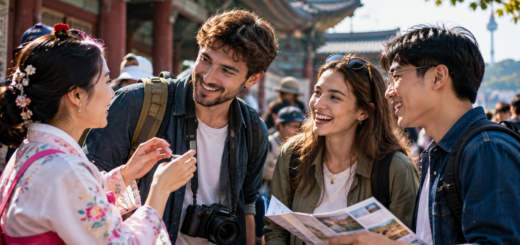
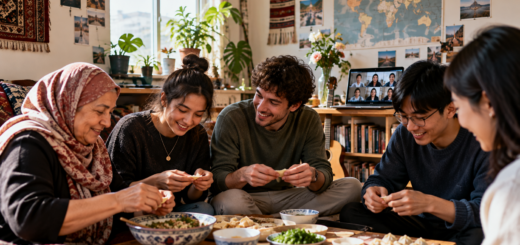
Music, cinema, television, food traditions, fashion and humor can reach audiences far beyond their original communities. Translation tools and recommendation algorithms reduce some of the barriers that once limited international discovery.
This does not mean cultural differences are disappearing. In many cases, the opposite is happening. Audiences can become more aware of cultural specificity because they have access to far more perspectives.
UNESCO’s Global Report on Cultural Policies highlights digital transformation as one of the major areas shaping contemporary cultural policy, alongside cultural rights, arts education, climate action and resilience. The organization reports that cultural and creative industries generate about 3.39% of global GDP and represent an average of 3.55% of employment.
Culture is therefore not simply entertainment. It is also an economic sector, a source of employment and a mechanism through which societies communicate ideas about themselves.
The Return of Authenticity
Interestingly, the more sophisticated digital culture becomes, the stronger the appetite for something that feels less manufactured.
TikTok’s 2026 trend research identifies growing interest in unfiltered stories, behind-the-scenes experiences and visible human processes rather than perfectly controlled presentation.
That reflects a broader cultural tension. Digital platforms allow creators to polish every frame, automate production and optimize content for recommendation systems. At the same time, audiences can become suspicious of anything that feels excessively calculated.
Authenticity has therefore become a form of cultural value.
People often respond to imperfection because it signals that there is a person behind the content rather than a marketing system.
Culture Is Becoming More Personal
Perhaps the biggest transformation is that people increasingly construct their own cultural environments.
One person may spend the evening watching international cinema, listening to experimental music and following independent creators. Another may build an entire cultural world around gaming, fashion or a particular music scene. Their interests can overlap, but their daily media experiences may be completely different.
This personalization has created more freedom, but it has also weakened some of the shared experiences that once connected large audiences.
The challenge for popular culture is finding a balance between fragmentation and common reference points.
Major cultural moments still bring people together, but they now emerge from a much larger and more unpredictable ecosystem.
A Culture With Many Centers
The future of popular culture will probably not be defined by the disappearance of the mainstream. Instead, mainstream culture is becoming more flexible.
A creator can become a celebrity. A niche community can influence global fashion. A meme can become a commercial language. A local artistic tradition can find audiences thousands of miles away. A major studio production can become popular through the same platforms that promote an unknown creator.
Cultural influence is moving in more directions than ever before.
That makes today’s cultural landscape harder to control, but also more open to unexpected voices. The people shaping popular culture are no longer only the institutions with the largest budgets. They are also the communities, creators and audiences constantly deciding what deserves their attention.
And in a world where attention can move almost instantly, that collective decision may be one of the most powerful forces shaping how society sees itself.